How Safe Structural Demolition In Detroit MI Safeguards Workers
Interior Selective Demolition In Detroit MI
Interior selective demolition in Detroit, MI, is reshaping the landscape of metropolitan renewal. This approach permits the mindful removal of non-structural parts, protecting the character of historical buildings. It offers monetary advantages and advertises sustainability through material reuse. Numerous successful jobs illustrate its possibility. The implications of this strategy prolong beyond mere visual appeals. Comprehending the more comprehensive effect on the area and setting increases important questions for Detroit's future.
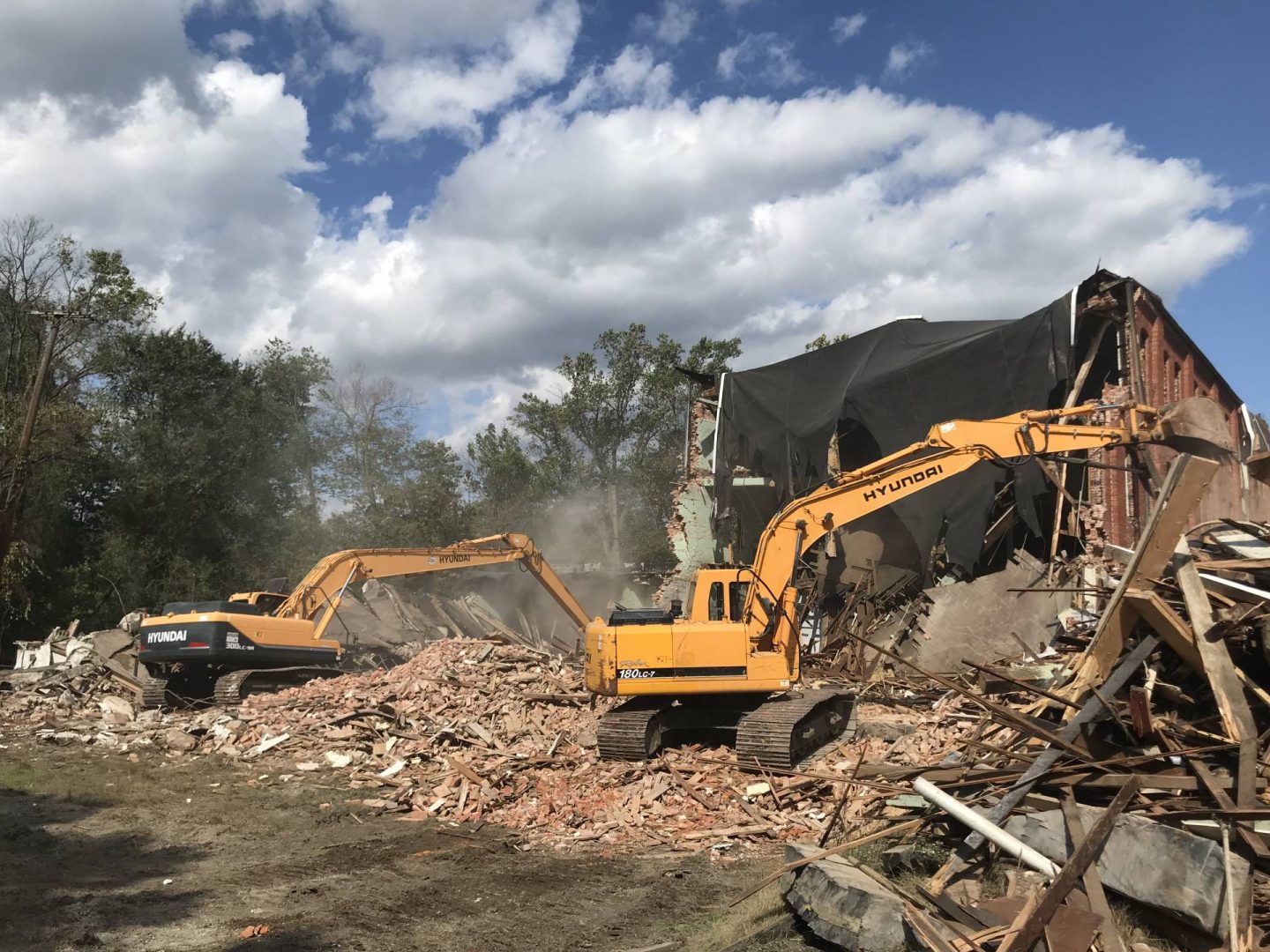
The Benefits of Interior Selective Demolition
Interior selective demolition offers numerous benefits for residential property owners and programmers in Detroit, MI. This procedure allows for certain removal of non-structural elements, such as wall surfaces, components, and floor covering, without jeopardizing the honesty of the overall structure. By targeting only the areas that need renovation, homeowner can save time and lower prices associated with full demolition.
Furthermore, selective demolition advertises sustainability by enabling the salvage and recycling of products, consequently lessening waste. This environmentally mindful approach straightens with the growing trend of green construction methods. Selective demolition can help with quicker project timelines, as it generally involves less disturbance to bordering locations compared to extensive demolition initiatives.
Inevitably, the calculated execution of indoor selective demolition enhances the efficiency of remodelling jobs, causing improved functionality and aesthetic charm for existing properties in Detroit's evolving city landscape. (best demolition contractor in detroit)
Key Considerations for Selective Demolition Projects
When intending a selective demolition job, several crucial factors to consider should be dealt with to assure its success. To start with, extensive analyses of the existing framework are important to recognize products that call for removal and those that ought to be preserved. Recognizing regulatory needs, including authorizations and safety codes, is fundamental to guarantee compliance and avoid legal issues.
Furthermore, creating a detailed strategy that outlines the scope of job, timelines, and budget is critical for effective task monitoring. Engaging knowledgeable professionals can alleviate risks associated with dangerous materials, such as asbestos or lead.
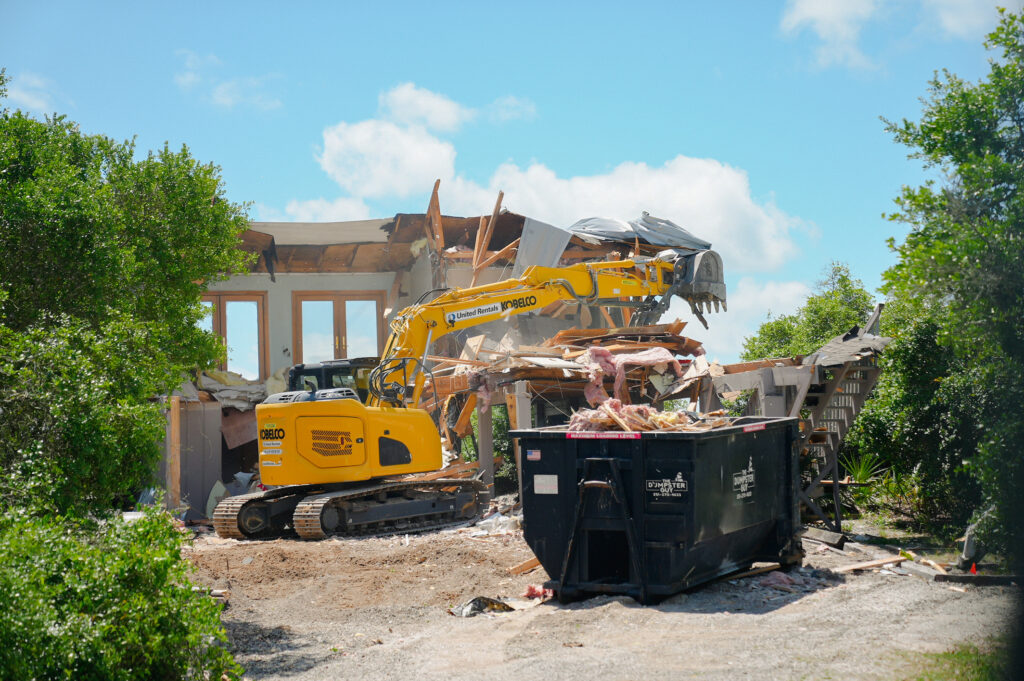
The Process of Selective Demolition Described
Selective demolition includes a systematic method that prioritizes the mindful elimination of details architectural elements while protecting the honesty of the surrounding setting. The process starts with an extensive evaluation of the site, identifying which elements need to be gotten rid of and which should be maintained. Following this assessment, a thorough demolition strategy is developed, laying out security steps and cdm demolition waste administration methods.
As soon as the plan remains in area, the demolition team prepares the website by making certain and safeguarding needed authorizations that energies are separated. The actual demolition process uses specialized techniques and devices to take down targeted frameworks, such as ceilings, fixtures, and walls, decreasing waste and noise. Throughout the procedure, mindful surveillance is carried out to deal with any kind of unexpected obstacles. The website is cleaned up, with recyclable materials sorted and harmful waste disposed of appropriately, ensuring that the surrounding setting stays uninterrupted and risk-free for future use.
Instance Researches: Successful Jobs in Detroit
Effective projects in Detroit highlight the effectiveness of selective demolition in rejuvenating address city rooms. One notable situation entailed the improvement of a former commercial website into a lively mixed-use development. Selective demolition enabled for the mindful elimination of dangerous products while preserving structural aspects, making it possible for the assimilation of modern-day amenities with historical architecture.
Another project included the repurposing of an old storehouse right into an area arts. The selective technique assisted in the removal of non-essential interiors, developing open areas ideal for imaginative endeavors while preserving the building's character.
In addition, a domestic conversion showcased exactly how selective demolition could adjust obsolete structures for contemporary living. By eliminating indoor partitions and out-of-date systems, the project rejuvenated the building, cultivating and attracting brand-new citizens neighborhood interaction.
These instances highlight just how selective demolition not only improves safety and security and efficiency however likewise contributes to Detroit's continuous city revival initiatives.
The Future of Selective Demolition in Urban Revitalization
An increasing number of metropolitan organizers and designers are identifying the possibility of selective demolition as an essential strategy for rejuvenating cities. This strategy enables the careful removal of details indoor elements, allowing the preservation of historically substantial structures while including modern-day usages. As cities like Detroit come to grips with aging infrastructure and a demand for sustainable growth, selective demolition supplies a sensible solution to repurpose existing structures.
The future of selective demolition hinges on its combination with lasting methods. By recycling materials and lessening waste, cities can minimize their ecological impact while fostering economic growth (local demolition contractor detroit). Furthermore, this technique advertises area engagement, as local stakeholders typically take part in the decision-making procedure regarding which structures to modify or protect. As metropolitan revitalization initiatives gain energy, selective demolition is likely to play a significantly crucial function fit the landscapes of tomorrow's cities, mixing history with advancement
Often Asked Inquiries
What Allows Are Needed for Interior Selective Demolition in Detroit?
A demolition authorization is usually required, in addition to any kind of necessary ecological authorizations, particularly if harmful products are existing. Additionally, conformity with neighborhood building regulations and regulations is essential for secure and lawful demolition practices.
The length of time Does an Ordinary Selective Demolition Job Take?
An ordinary selective demolition task generally takes between one to 3 weeks, depending browse around these guys upon the project's dimension, complexity, and the degree of the work called for. Elements such as website problems and permitting may additionally influence the timeline.
Exist Details Safety And Security Laws for Selective Demolition?

What Sorts Of Materials Can Be Salvaged During Demolition?
Numerous materials can be restored during demolition, including wood, metal, components, blocks, and concrete. Multiple-use products improve sustainability by minimizing waste, while offering opportunities for repurposing and reusing in new building and construction or improvement tasks.
Just How Much Does Interior Selective Demolition Generally Price?
Commonly, indoor selective demolition prices vary from $2 to $10 per square foot, relying on variables such as project intricacy, material types, and local labor rates, influencing overall expenses for both industrial and domestic buildings.
Interior selective demolition in Detroit, MI, is improving the landscape of city revival. Interior selective demolition supplies numerous benefits for home proprietors and programmers in Detroit, MI. When preparing a discerning demolition project, several crucial considerations need to be addressed to assure its success. Successful tasks in Detroit highlight the effectiveness of selective demolition in renewing urban areas. A typical selective demolition task usually takes between one to 3 weeks, depending on the job's size, intricacy, and the level of the work called for.